The challenge
In stock does not always mean easy to find
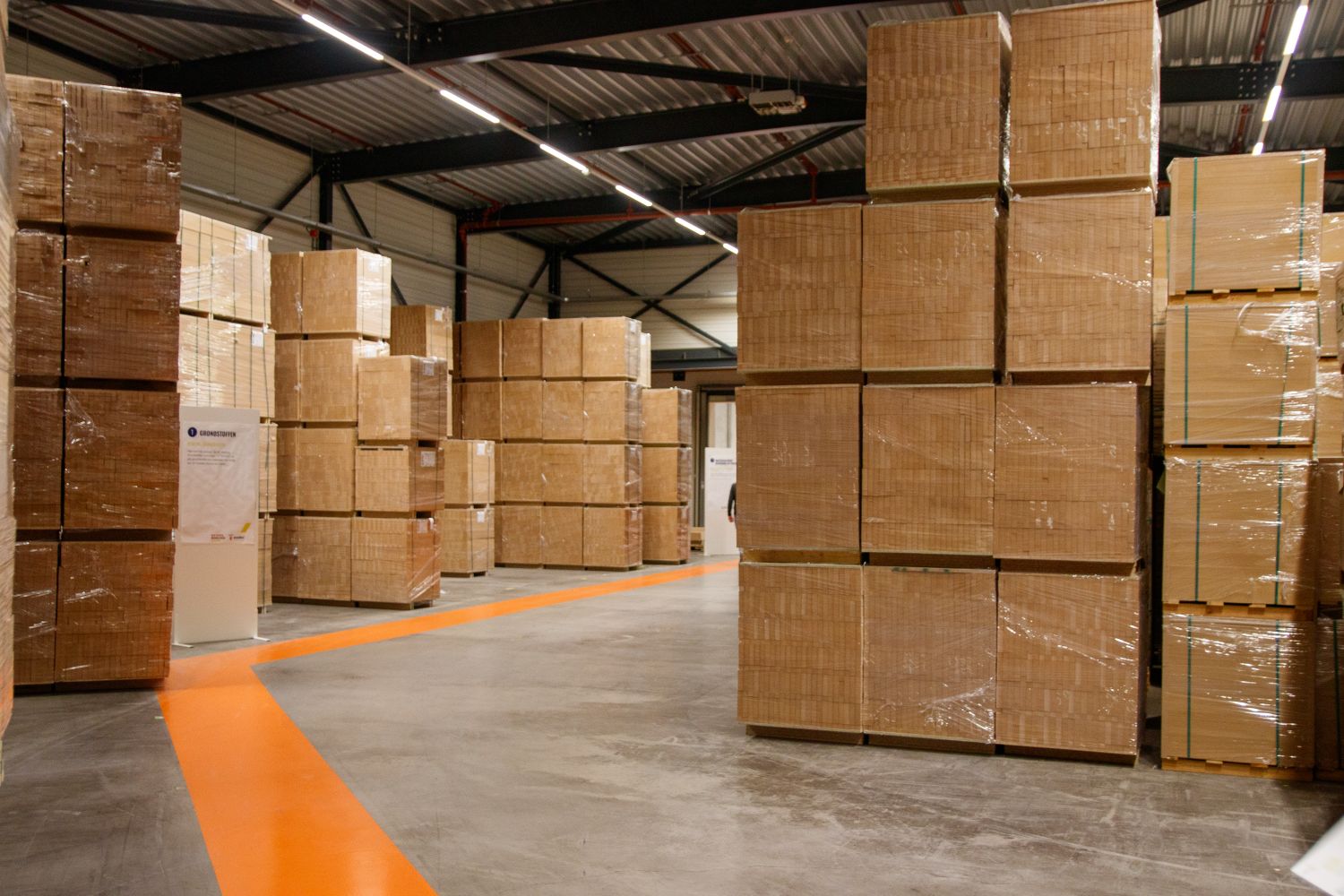
At a corrugated box manufacturer in Guangdong, China, board moved frequently through the warehouse. The existing ERP did not track storage locations, so staff relied on experience to find the material they needed.
Materials often move again after receipt. Without a movement record, the system falls behind the physical warehouse, making picking, shift handovers and stock counts harder.
The approach
Scan the pallet. Scan its location.
Scan the pallet barcode, then the destination location code to link them.
Find the location for the materials a production job needs, verify the pallet on arrival and record the issue.
Scan the pallet and its new location again. The updated record supports the next pick or stock count while retaining the movement history.
Follow a pallet through the warehouse
What changes
Give the team a shared record to work from
The approach establishes a repeatable routine: assign a location on receipt, update it on movement and verify it on issue. The system records where stock is and how it got there, as well as how much is available.
- Warehouse teams use location records to find the required pallet.
- Production teams check material readiness against their requests.
- Managers trace location changes and warehouse activity through the records.
Results depend on warehouse layout, barcode management, consistent scanning and data quality, and must be assessed in the actual operating environment.
Making it work
Accurate locations start with consistent routines
Implementation starts with pallet IDs, location codes, scanning equipment, movement rules and responsibility for exceptions. A warehouse map is only as reliable as the process that keeps it up to date.
This workflow connects with material requests, receipts from production, inventory records and stock movements in Production Management.
About this story
About this story
Based on Lingtan’s work-in-process warehousing application. The customer is unnamed and identifiers are illustrative to protect confidential information.